

Every lab has that moment.
The audit email arrives. The deadline is tight. Someone starts digging through folders, spreadsheets, old emails, maybe even paper binders that haven’t been touched in months. People are stressed. Not because the science is wrong but because the system holding everything together is fragile.
That’s usually the moment when labs realize why lab QMS software isn’t just “nice to have.” It’s survival.
Quality in a lab isn’t only about accurate results. It’s about traceability. Consistency. Proof. And in today’s regulatory-heavy environment, memory and good intentions are no longer enough.
This article isn’t a sales brochure or a dry compliance lecture. It’s a practical, human look at what lab QMS software really does, why labs adopt it (often later than they should), and how it quietly transforms daily work behind the scenes.
The Hidden Chaos Inside Many Labs
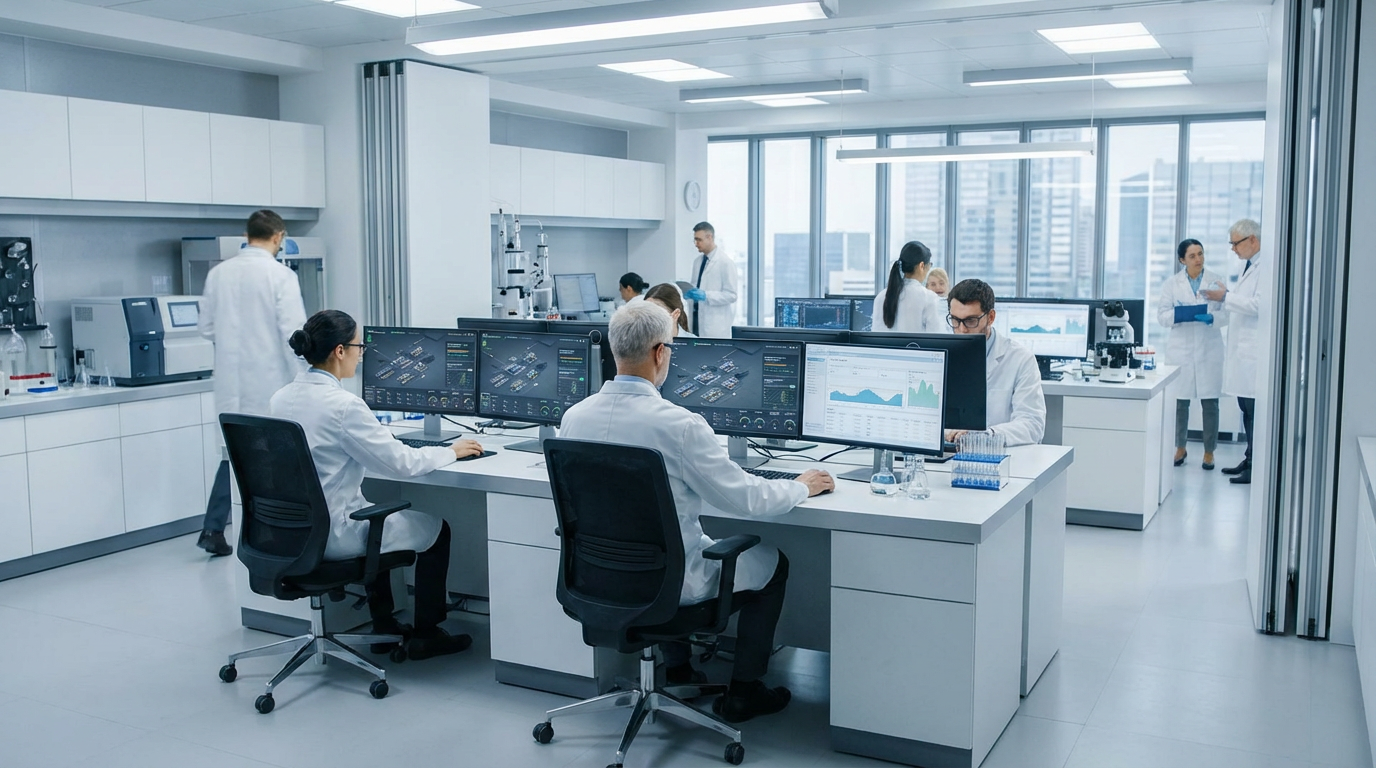
From the outside, labs look precise. Clean benches. Calibrated instruments. People in lab coats doing careful work.
Inside? It’s often controlled chaos.
Documents stored in different places. SOPs updated but not always shared. Training records half-digital, half-paper. CAPAs tracked in spreadsheets that only one person understands.
And that’s not because labs are careless. It’s because labs are busy.
Science moves fast. Regulations change faster. And most labs didn’t start with scalable systems they grew into complexity over time.
That’s where lab QMS software enters the picture.
What Lab QMS Software Actually Is (In Plain Language)
Lab QMS software is a centralized system designed to manage quality-related processes in a laboratory.
But that definition doesn’t tell you much.
In real life, it’s the place where a lab keeps its promises to regulators, to clients, to patients, and to itself.
A good lab QMS software platform helps manage:
- Documents and SOPs
- Training and competency records
- Deviations, incidents, and CAPAs
- Audits and inspections
- Change management
- Equipment calibration and maintenance
- Risk assessments
Instead of scattered files and manual follow-ups, everything lives in one structured, searchable system.
A Short Story From a Real Lab Scenario
A mid-sized testing lab once relied on shared drives and Excel sheets. It worked. Until it didn’t.
An auditor asked for proof that a revised SOP had been acknowledged by all analysts. The document existed. The training happened. But the evidence was scattered across emails and sign-in sheets.
They passed the audit but barely.
Six months later, they implemented lab QMS software.
The next audit? Calm. Almost boring.
Not because they worked harder. Because the system worked smarter.
Why Quality Management in Labs Is Different
Quality in manufacturing is often linear. Labs are not.
Labs deal with:
- Variable samples
- Complex methods
- Human judgment
- Regulatory overlap (ISO, GLP, GMP, CLIA, CAP, FDA)
That complexity demands a system designed specifically for labs not generic QMS tools forced to fit.
Lab QMS software understands lab workflows. It respects how scientists work. It supports quality without slowing science down.
Document Control: Where Most Labs Struggle First
Ask any lab where things start going wrong, and they’ll say documents.
Which SOP is current?
Who approved the last change?
Who has read the update?
Why is someone using an old version?
Lab QMS software solves this quietly but powerfully.
What Changes With a Proper System
- One controlled version of each document
- Automatic version history
- Required approvals before release
- Read-and-understand tracking
- Immediate access to current SOPs
No more guessing. No more outdated printouts taped to walls.
Training Records That Actually Make Sense
Training is critical in labs. But tracking it manually is painful.
Who is trained on what?
Who needs retraining after a method update?
Who is overdue?
With lab QMS software, training connects directly to documents and roles. Update an SOP, and the system knows who needs retraining. Missed deadlines trigger reminders. Auditors get clean reports instead of explanations.
That alone saves countless hours.
Deviations, Incidents, and CAPAs Without the Panic
Things go wrong in labs. That’s reality.
What matters is how those issues are captured, investigated, and prevented from happening again.
Without a system, deviations often live in emails or notebooks. Root cause analysis becomes subjective. CAPAs lose momentum.
Lab QMS software creates structure:
- Clear deviation reporting
- Root cause analysis workflows
- Assigned actions with deadlines
- Effectiveness checks
Problems don’t disappear. They get managed.
Audit Readiness Isn’t a Season Anymore
Many labs still treat audits like events. Stressful, time-consuming events.
But with lab QMS software, audit readiness becomes a state of being.
Documents are current. Training is tracked. CAPAs are visible. Evidence is one click away.
Auditors notice.
According to quality experts at MasterControl’s quality management resources, organizations using centralized QMS platforms consistently reduce audit findings and preparation time.
That’s not marketing hype. That’s operational reality.
Change Management Without the Confusion
Labs evolve constantly. New instruments. New methods. New regulations.
Change management ensures those changes don’t create chaos.
With lab QMS software:
- Changes are documented
- Impact is assessed
- Approvals are tracked
- Communication is automatic
No more “I didn’t know this changed.”
Equipment and Calibration: Quietly Critical
Instruments don’t fail loudly. They drift.
Tracking calibration and maintenance manually is risky. Missed dates. Incomplete records. Unclear responsibilities.
Lab QMS software brings discipline:
- Automated calibration schedules
- Maintenance logs
- Alerts for overdue tasks
- Complete equipment histories
When auditors ask, the answers are ready.
Risk Management That Feels Practical
Risk management often sounds abstract until something goes wrong.
Lab QMS software helps teams identify risks before they become incidents. It supports risk assessments tied to processes, methods, and changes.
Not theoretical risks. Real ones.
Cloud-Based vs On-Premise: What Labs Are Choosing
Most modern labs are moving toward cloud-based lab QMS software.
Why?
- Easier updates
- Remote access
- Lower IT overhead
- Better scalability
Security concerns are real, but reputable providers meet strict compliance standards.
Organizations like ISO outline clear requirements that modern cloud QMS platforms are designed to meet.
Adoption: The Human Side of QMS Software
Let’s be honest. Scientists don’t love new systems.
Adoption fails when software ignores human behavior.
The best lab QMS software feels intuitive. Minimal clicks. Clear workflows. Logical structure.
Successful labs involve users early, provide training, and show how the system makes life easier not harder.
How Lab QMS Software Changes Lab Culture
This part doesn’t get talked about enough.
When quality data is visible, shared, and structured, accountability improves. Communication improves. Blame culture fades.
People stop hiding mistakes. They fix them.
Quality becomes something everyone owns, not something managed by one department.
Is Lab QMS Software Only for Large Labs?
No. Smaller labs arguably benefit even more.
Spreadsheets break faster in small teams because one person often carries too much responsibility.
Lab QMS software distributes knowledge. It creates continuity when staff changes. It scales with growth instead of resisting it.
Choosing the Right Lab QMS Software
Not all systems are equal.
Key things to look for:
- Lab-specific workflows
- Regulatory alignment
- Ease of use
- Reporting capabilities
- Support and training
A demo should feel intuitive. If it feels heavy, it probably is.
FAQs About Lab QMS Software
What is lab QMS software used for?
It manages quality processes like documents, training, deviations, CAPAs, audits, and compliance in laboratories.
Is lab QMS software required by regulations?
Not explicitly, but it makes meeting regulatory requirements far easier and more reliable.
Can small labs use lab QMS software?
Yes. Many solutions are designed to scale and are especially helpful for small teams.
How long does implementation take?
Anywhere from weeks to a few months, depending on lab size and readiness.
Does lab QMS software replace people?
No. It supports people by removing manual tracking and reducing errors.
Final Thoughts
Quality doesn’t fail in labs because people don’t care. It fails because systems can’t keep up.
Lab QMS software isn’t about adding bureaucracy. It’s about removing friction. About giving labs a foundation strong enough to support good science.
When quality becomes part of the workflow instead of an afterthought, everything changes.
Not overnight.
But permanently.
And that’s exactly what modern labs need.
