
There are court rulings that make a loud splash for a week and then disappear into the news cycle. And then there are the quieter ones. The kind that ripple outward slowly, touching people who don’t usually see themselves reflected in legal headlines.
The moment a judge halts Trump administration’s cancellation of humanities grants to authors falls into that second category.
On the surface, it sounds procedural. A judge. A policy. Some grants. But for thousands of writers, historians, poets, translators, and independent scholars, this ruling landed like a hand on the shoulder saying, you still count. And for anyone who cares about culture, free expression, or the long memory of a country, it was something more than a legal technicality.
It was a line drawn.
Let’s talk about why.
The Grants at the Center of the Fight
Humanities grants aren’t glamorous. They don’t come with viral announcements or red-carpet photos. Most Americans couldn’t name a single one off the top of their head.
But they are often the reason certain books exist at all.
We’re talking about modest funding from federal agencies like the National Endowment for the Humanities (NEH). Small sums, by Washington standards. Sometimes $10,000. Sometimes less. Enough to buy time. Enough to travel to an archive. Enough to finish a manuscript that otherwise would sit unfinished in a desk drawer.
These grants support:
- Biographers digging through decades-old letters
- Historians reconstructing erased narratives
- Poets and essayists working outside commercial publishing
- Translators bringing overlooked voices into English
For many authors, especially those without university backing or personal wealth, these grants are oxygen.
And during the Trump administration, that oxygen was suddenly threatened.
When the Cancellation Notices Started Coming
The cancellation didn’t arrive with a dramatic press conference.
It arrived quietly. Emails. Letters. Notifications that previously approved humanities grants were being withdrawn or frozen. In some cases, funding that had already been promised after long applications, peer review, and formal approval was suddenly yanked away.
No warning. No individualized explanation.
Authors who had structured their lives around these grants were left scrambling.
One historian had already booked travel to a rural archive. Another had taken unpaid leave from teaching. A novelist was halfway through a project rooted in American labor history. Then, abruptly, the funding disappeared.
The reasoning offered by the administration was vague. Budget priorities. Policy shifts. Executive authority.
But to many in the humanities community, it felt personal.
And arbitrary.
The Legal Pushback Begins
Authors don’t usually sue the federal government. Most don’t have the time or money. But this time, the stakes were too high to ignore.
A coalition of affected writers, scholars, and advocacy groups challenged the cancellations in court. Their argument was simple, and powerful:
You can’t approve grants through a lawful process, encourage reliance on them, and then cancel them without justification.
They weren’t arguing politics. They were arguing process, fairness, and the rule of law.
And eventually, a judge agreed.
Judge Halts Trump Administration’s Cancellation of Humanities Grants to Authors
When the ruling came down, it didn’t scream. It didn’t grandstand.
But it was clear.
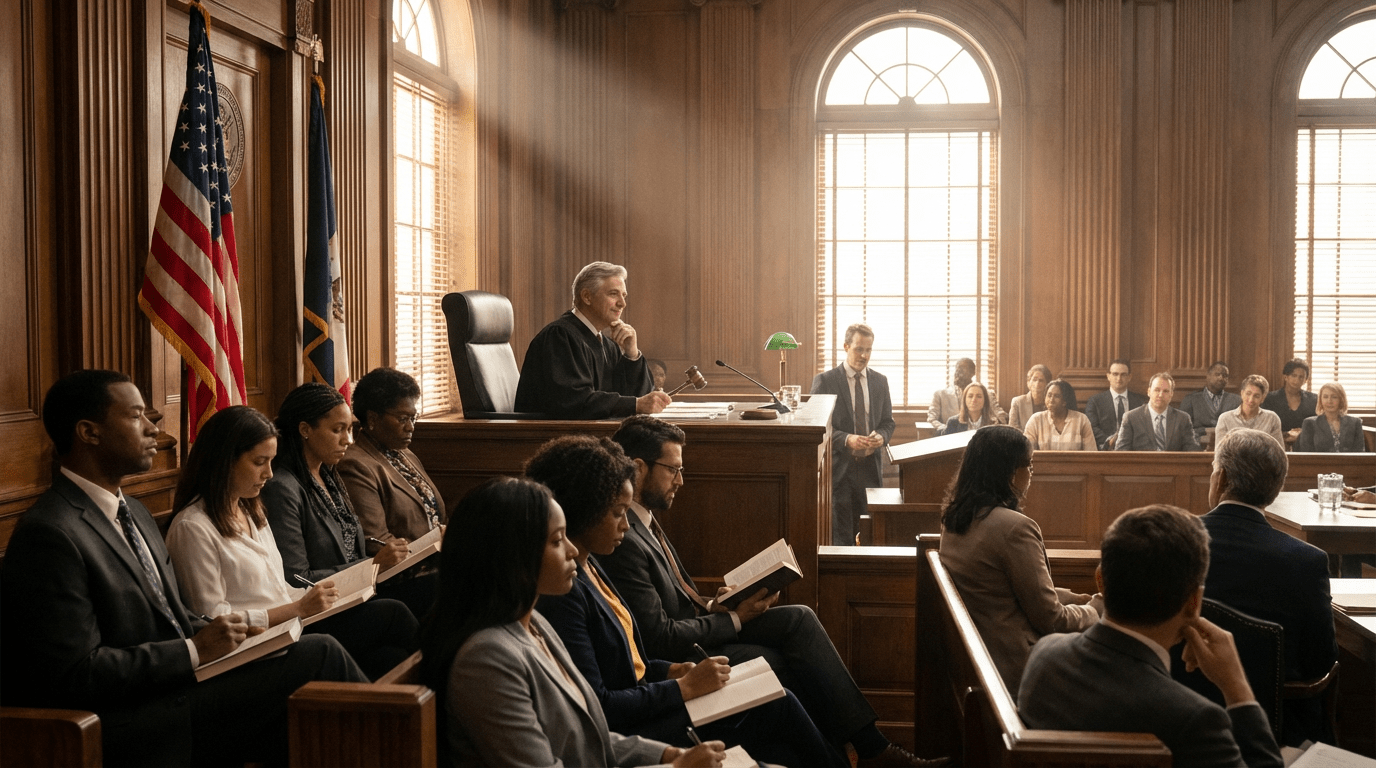
The judge halted Trump administration’s cancellation of humanities grants to authors, finding that the administration likely overstepped its authority and failed to follow required procedures. The court emphasized that agencies can’t simply reverse course without reasoned explanation especially when people have already relied on their decisions.
In plain terms: you don’t get to pull the rug out mid-step.
For authors waiting in limbo, the ruling was immediate relief. For federal agencies, it was a reminder that even sweeping political agendas run into guardrails.
Why This Ruling Was Bigger Than the Grants Themselves
It would be easy to frame this as a narrow dispute about money.
But that misses the point.
The humanities are often the first target when administrations want to signal toughness or trim what they consider “non-essential” spending. They don’t generate profit. They don’t produce weapons or highways. They ask questions instead of offering quarterly returns.
And that makes them vulnerable.
By stepping in, the court wasn’t just protecting a few dozen grants. It was reinforcing a principle: cultural work matters enough to deserve fair treatment under the law.
That matters long after any single administration leaves office.
Real Authors, Real Consequences
Consider a nonfiction author researching the history of voting rights in rural America. The work isn’t flashy. It’s meticulous. Slow. Often lonely.
Without grant funding, that research might never happen.
Or take a poet translating indigenous oral histories into English, working with elders and fragile recordings. There’s no big advance waiting at the end of that road. Just the hope of preservation.
These aren’t hypotheticals. These are the kinds of projects that were hanging by a thread when the cancellations hit.
When a judge halts Trump administration’s cancellation of humanities grants to authors, those threads don’t just survive. They hold.
The Chilling Effect That Almost Was
One of the most overlooked aspects of the controversy was the chilling effect.
Even authors who weren’t directly affected started asking themselves hard questions.
Is it worth applying for federal grants anymore?
What happens if the political winds shift again?
Can I trust an approval letter?
Creative work already requires emotional risk. Add financial instability, and many people simply walk away.
The ruling didn’t erase those fears entirely. But it slowed them. It reminded writers that the system, while imperfect, still has checks.
A Pattern, Not an Isolated Incident
This wasn’t the only time the Trump administration clashed with cultural institutions.
Museums, arts organizations, libraries, and academic programs all faced uncertainty during those years. Funding was scrutinized. Missions were questioned. In some cases, boards were reshaped.
The humanities became a proxy battlefield for larger ideological debates about national identity, history, and whose stories deserve amplification.
That’s why this ruling resonated beyond the literary world.
It signaled that courts could, and would, intervene when executive actions crossed legal boundaries.
What the Court Didn’t Say (But Still Implied)
The judge didn’t declare that humanities funding must always be protected. Courts rarely speak in absolutes.
But the ruling implied something important: discretion has limits.
Agencies can change priorities. Administrations can shift focus. But they can’t act capriciously. They can’t ignore their own rules. And they can’t treat grant recipients as expendable collateral.
That framework still stands today.
Why Authors Without Platforms Felt This Most
Well-known authors have buffers. Speaking fees. Royalties. Teaching gigs.
But many grant recipients live on the margins of the literary economy. Freelancers. Independent researchers. Writers caring for family members. People without institutional affiliations.
For them, the cancellation wasn’t an inconvenience. It was existential.
That’s why the ruling landed emotionally, not just legally.
The Role of Advocacy Groups
This case didn’t happen in a vacuum.
Organizations like the American Civil Liberties Union and various writers’ guilds helped amplify the issue, connect plaintiffs with legal resources, and keep public attention alive during a chaotic news cycle.
If you want to understand the broader legal principles behind cases like this, the ACLU’s work on government accountability is a good place to start:
👉 ACLU – Defending civil liberties
And for those curious about how humanities grants work in the first place, the National Endowment for the Humanities offers transparent breakdowns of its programs:
👉 National Endowment for the Humanities
These institutions don’t just fund projects. They create infrastructure for memory.
Life After the Ruling
The immediate effect was straightforward: the halted cancellations meant grants could move forward.
But the long-term impact is harder to measure and arguably more important.
Agencies became more cautious. Grant recipients felt slightly safer. And future administrations, regardless of party, were reminded that the courts are watching.
It also emboldened other creators to push back when decisions felt unfair.
Silence isn’t the only option.
Why This Still Matters Today
You might wonder why we’re still talking about this now.
Because the pressures haven’t disappeared.
Budget debates continue. Culture wars evolve. The humanities still sit near the top of many chopping blocks.
The fact that a judge halts Trump administration’s cancellation of humanities grants to authors remains a reference point. A precedent. A story creators tell each other when things feel precarious.
It says: you’re not powerless.
The Quiet Power of Process
One of the most human aspects of this story is how unglamorous it is.
No soaring rhetoric. No cinematic speeches.
Just paperwork. Procedures. Judges reading briefs. Authors waiting.
And yet, within that process, lives changed.
That’s worth remembering the next time legal news feels abstract.
FAQs
What were the humanities grants that were canceled?
They were primarily federal grants supporting research, writing, translation, and preservation projects in the humanities, often administered through agencies like the National Endowment for the Humanities.
Why did the Trump administration cancel them?
The administration cited shifting priorities and budget considerations, though critics argued the process lacked transparency and justification.
What did the judge’s ruling actually do?
The judge halted Trump administration’s cancellation of humanities grants to authors, preventing the government from withdrawing approved funding without proper legal process.
Did all grants get restored?
The ruling focused on the legality of the cancellations. In many cases, it allowed affected grants to move forward, though implementation varied.
Does this protect humanities funding forever?
No. It doesn’t guarantee future funding. But it reinforces legal standards agencies must follow when changing course.
Why should non-writers care about this?
Because humanities work shapes how societies understand history, ethics, and identity. When that work is undermined, everyone loses something often without noticing right away.
Final Thoughts: Why Stories Need Defenders Too
It’s easy to rally around bridges, hospitals, and roads. Their value is visible.
Stories are different.
They work quietly. They change minds slowly. They preserve voices long after budgets are forgotten.
When a judge halts Trump administration’s cancellation of humanities grants to authors, it’s not just about money. It’s about acknowledging that culture isn’t a luxury item. It’s a public good.
