

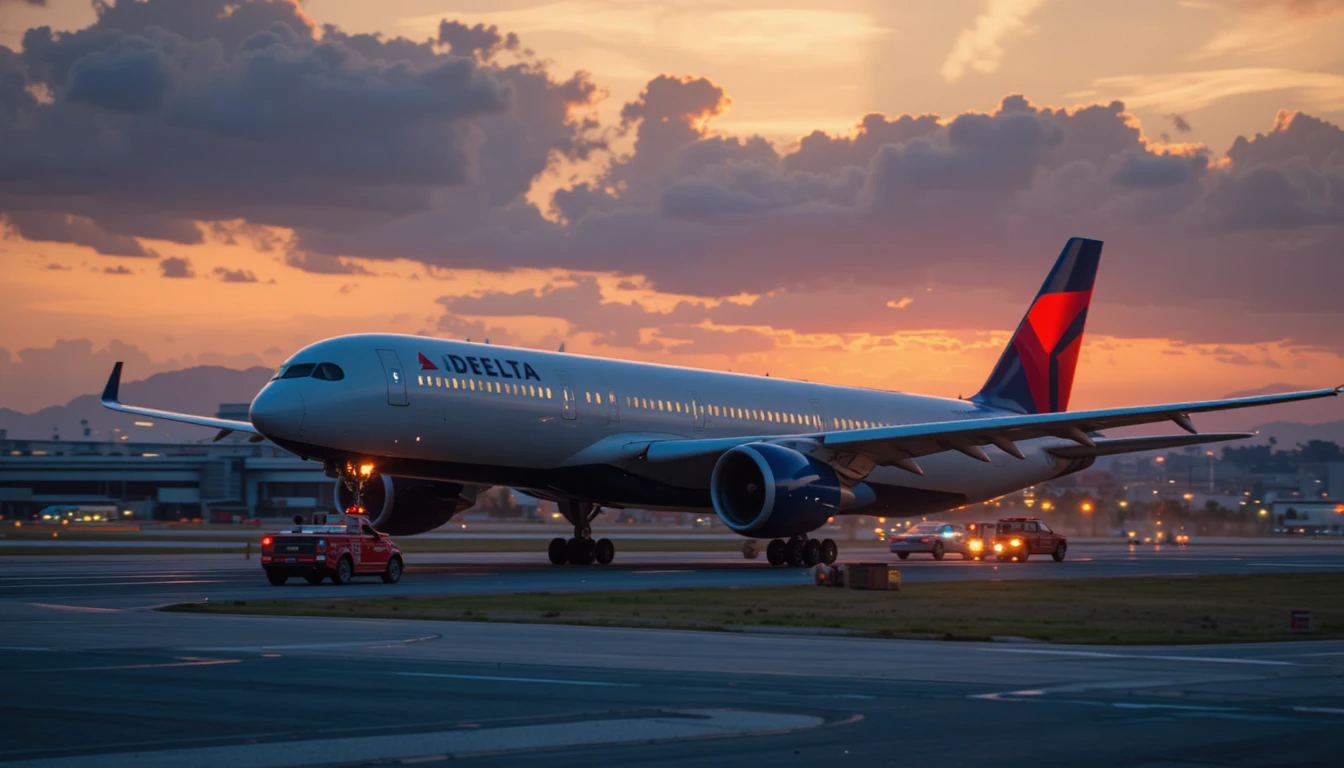
Delta Flight DL275 made headlines when it was unexpectedly diverted to Los Angeles International Airport (LAX) during a trans‑Pacific crossing in 2025, leaving passengers and observers wondering what happened. In this article, we’ll break down the full story from why the flight diverted to LAX, what went wrong technically, how the airline handled the situation, what passengers experienced, and the broader lessons for air travel safety.
1. What Was Delta Flight DL275?
Delta Flight DL275 was a scheduled international Delta Air Lines service operating from Detroit Metropolitan Airport (DTW) to Tokyo’s Haneda Airport (HND) a long‑haul route covering thousands of miles across the continental U.S. and the Pacific Ocean. The aircraft flying this route was an Airbus A350‑900, one of Delta’s modern wide‑body jets powered by Rolls‑Royce Trent XWB engines.
Everything began normally when the flight departed DTW on schedule with hundreds of passengers on board. But partway into its journey, the captain announced a change of plans the flight would not continue to Tokyo. Instead, it was diverted to Los Angeles International Airport (LAX) for an unscheduled landing.
2. Why Was the Flight Diverted to LAX? The Core Reason Explained
The primary cause of the diversion was a technical issue with the aircraft’s engine anti‑ice system, a crucial component for safe operation at high altitudes over cold regions.
What Is the Anti‑Ice System?
Modern jet engines especially on long‑haul flights encounter very cold temperatures at cruising altitude. Ice can build up on engine components like fan blades and inlet surfaces, disrupting airflow and potentially reducing thrust or creating unsafe conditions.
To prevent this, engines are equipped with anti‑ice systems that channel warm bleed air (taken from engine compressors) to key areas to stop ice formation. The system must work reliably, especially on routes over cold regions like the North Pacific. A failure here isn’t necessarily a full engine shutdown, but it significantly raises risk if left unchecked in freezing air.
3. What Happened Mid‑Flight? Signs of a Fault
About five hours into the flight while cruising near 38,000 feet above the North Pacific Ocean sensors on the aircraft detected irregular readings in the anti‑ice system of one Rolls‑Royce engine. The cockpit crew could see that:
- Temperature and airflow readings were outside normal ranges.
- The anti‑ice system was not functioning as expected.
- The aircraft’s monitoring systems alerted the pilots to the anomaly.
While the engines still worked and the aircraft remained stable, continuing over the remote and icy Pacific without a fully operating anti‑ice system would have posed a risk. Ice buildup could worsen and potentially cause more serious problems if the aircraft flew into colder weather or severe conditions later in the flight.
In aviation, safety protocols are clear: any serious technical irregularity warrants conservative action even if the plane is flying fine at that moment. That means diverting to an airport where the aircraft can land safely and receive proper technical diagnosis and support.
4. Why LAX, and Not Another Airport?
Choosing an airport for an unscheduled landing isn’t random. The pilots and Delta operations team took into account:
1. Proximity
At the moment the issue occurred, LAX was a reachable international airport within a safe flight range from the aircraft’s position over the Pacific.
2. Maintenance Capabilities
LAX is a major hub with full maintenance support, including technicians familiar with Airbus A350 aircraft and Rolls‑Royce engines. This means the aircraft could be inspected and repaired more quickly and thoroughly than at smaller diversion options.
3. Passenger Infrastructure
As a large international airport, LAX can offer:
- Rebooking assistance
- Ground transportation
- Hotels
- International passenger facilities
This makes the diversion smoother for passengers and airline operations.
5. The Diversion: Timeline of Events
Here’s a simplified timeline based on open reports and aviation analysis:
📍 Departure: DL275 takes off from Detroit on schedule.
📍 Cruise Phase: Flight climbs and continues toward the Pacific.
📍 Technical Issue Detected: Mid‑flight anti‑ice system irregularity is noticed.
📍 Decision to Divert: After consulting with Delta’s operations team and aviation authorities, the decision is made to divert to LAX prioritizing safety and technical support.
📍 Safe Landing in LAX: The aircraft lands uneventfully at LAX, with emergency teams on standby as a precaution.
6. What Passengers Experienced Onboard
Passengers aboard DL275 reported that:
- The captain made a clear announcement explaining the situation.
- The cabin remained calm throughout.
- There were no signs of dramatic emergency conditions no smoke, no sudden maneuvers.
- Flight attendants reassured passengers and maintained order.
While some travelers were understandably frustrated by the delay and change of itinerary, most expressed relief that the decision focused on safety and that the crew handled communication professionally.
7. After Landing: What Happened Next
Once DL275 touched down at LAX:
Aircraft Inspection and Repairs
Technicians from Delta and engine specialists examined the engine’s anti‑ice system. The aircraft remained grounded until the fault could be diagnosed, parts replaced if needed, and safety checks completed.
Passenger Support
Delta provided:
- Rebooking options to Tokyo and other destinations
- Meal vouchers
- Hotel accommodations
Such support is standard for long‑haul diversions and reflects airline policies to assist affected customers.
8. Broader Costs and Industry Impact
Diversions like this are not only logistically challenging they carry financial and operational impacts for airlines:
- Extra fuel burn
- Landing and handling fees
- Technical inspections and repairs
- Passenger care and rebooking costs
- Disruption to aircraft schedules and downstream flights
Industry estimates show that diversions can cost airlines millions of dollars per incident when all factors are considered.
9. Was This an “Emergency”? Understanding the Terminology
It’s important to note:
✔️ The diversion was precautionary initiated due to a serious technical concern.
✔️ It was handled safely, without injuries or panic.
✔️ The aircraft continued normal descent and landing procedures.
In aviation language, this wasn’t a dramatic last‑minute in‑flight explosion or engine failure. It was a conservative decision in line with FAA safety protocols when an essential system is compromised at altitude.
10. Why This Matters: Safety Over Schedule
The DL275 diversion shows how air travel prioritizes safety:
- Airline crews have the authority to divert if needed.
- Systems onboard constantly monitor aircraft health.
- Airports like LAX are strategically important for handling such situations.
Passengers often prefer flights that arrive on time, but experts emphasize that timely safe landings matter more than punctual but risky ones.
For more information on airline safety protocols and why diversions happen, you can visit the FAA’s official explanation of flight deviations in its policy documents.
👉 FAA Flight Diversion Policies
11. Key Lessons for Travelers
If something similar happens to you on a flight:
✔️ Stay calm pilot and crew are trained for such events.
✔️ Listen to announcements they aim to inform and reassure.
✔️ Airlines will typically provide accommodations and rebooking support.
✔️ Diversions are rare but safe they show the system is working.
12. Final Thoughts
The diversion of Delta Flight DL275 to LAX was an important reminder of the complexities of modern aviation how advanced systems, vigilant crews, and strategic planning intersect to protect passengers. What may feel like a disruptive detour is often a well‑executed decision rooted in safety‑first principles.
Whether you’re a frequent flyer or someone booking an international trip for the first time, understanding why diversions happen can give you confidence and perspective when your travel plans change unexpectedly.
For continued updates on aviation incidents and safety trends, you can visit flight tracking and airline news sites like FlightAware, which offers live and historical flight data.
👉 Track Flight DL275 / FlightAware
