

Water in Arizona is never just water. It’s history, politics, growth, survival, and identity all wrapped into one precious resource. And when people talk about who controls it, who plans for it, and who protects it, the conversation almost always circles back to one powerful entity: the Central Arizona Water Conservation District.
That’s where central az water conservation district candidates come in.
These candidates don’t usually have flashy campaigns or yard signs on every corner. You won’t see endless TV ads or viral debate clips. But their decisions ripple across farms, cities, tribes, developers, and families sometimes for decades.
If you’ve ever wondered who these candidates are, why their elections fly under the radar, and why you probably should care more than you think, you’re in the right place.
Let’s slow this down and walk through it together.
What Is the Central Arizona Water Conservation District, Really?
Before diving into the candidates themselves, it helps to understand what this district actually does.
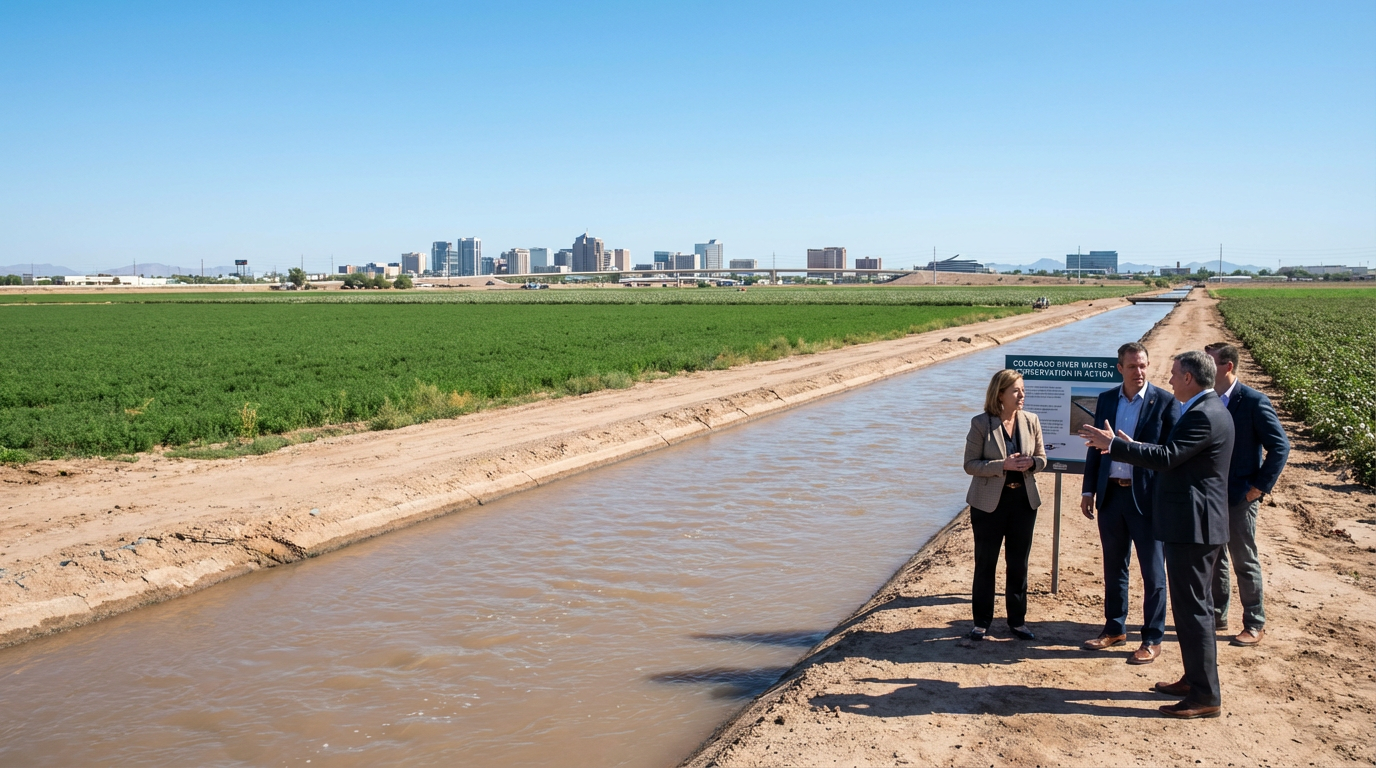
The Central Arizona Water Conservation District (CAWCD) manages the Central Arizona Project, often called CAP. That canal stretching more than 330 miles brings Colorado River water into central and southern Arizona. Phoenix. Tucson. Pinal County farms. Tribal lands. Growing suburbs that didn’t exist a generation ago.
Without CAP, modern Arizona looks very different.
The district is governed by a board of directors, elected by voters across multiple counties. These board members don’t just oversee maintenance. They make calls on:
- Water allocations
- Long-term storage strategies
- Rate-setting and financing
- Agreements with tribes, cities, and agricultural users
- How Arizona responds to Colorado River shortages
So when people talk about central az water conservation district candidates, they’re really talking about who gets a hand on the steering wheel during one of the most fragile water moments in the state’s history.
Why These Elections Feel Invisible (But Aren’t)
Ask ten voters who’s running for city council or governor, and most can name someone. Ask about CAWCD board candidates, and you’ll often get blank stares.
That’s not because the roles are unimportant. It’s because:
- The races are nonpartisan
- Campaign budgets are small
- Media coverage is limited
- Water governance is complex and hard to summarize
There’s also a quiet irony here. The less dramatic the race seems, the more technical power it often holds.
One former water manager once joked that CAWCD elections are “decisions made by people who show up, for people who don’t realize they should.” That might sound harsh, but it’s not entirely wrong.
The Kind of People Who Run for These Seats
Unlike higher-profile offices, central az water conservation district candidates tend to come from very specific backgrounds.
You’ll often see:
- Engineers who’ve worked on water infrastructure
- Farmers or irrigation district leaders
- City water managers or utility executives
- Tribal water rights advocates
- Environmental policy specialists
- Occasionally, business leaders tied to development
What you don’t usually see are career politicians chasing headlines. These are people who’ve spent years in the weeds sometimes literally thinking about water flows, legal frameworks, and future shortages.
That experience can be an asset. It can also create tension.
Some voters worry about insider perspectives dominating the board. Others argue that water is too complicated for amateurs.
Both concerns are valid. And that’s where understanding the candidates becomes crucial.
The Colorado River Shadow Over Every Campaign
It’s impossible to talk about the district or its candidates without talking about the Colorado River.
Years of drought, overuse, and climate pressure have pushed the river into crisis. Federal shortage declarations aren’t hypothetical anymore. They’re here.
Every serious candidate knows this.
When central az water conservation district candidates speak at forums, interviews, or small community meetings the river is always in the room.
The real differences show up in how they answer questions like:
- Should Arizona prioritize urban growth or agricultural stability?
- How aggressively should groundwater be protected?
- What role should water banking and storage play?
- How should the state work with tribes on settlement agreements?
You won’t always hear dramatic soundbites. Sometimes the differences are subtle. But those subtleties add up.
Water Politics Without the Party Labels
One thing that surprises many voters is how nonpartisan these races feel on the surface and how complex they are underneath.
A candidate might personally lean conservative or progressive, but once they’re dealing with:
- Federal water law
- Interstate compacts
- Tribal sovereignty
- Long-term infrastructure debt
…the usual political boxes stop working.
That’s why it’s more useful to look at professional history than ideology when evaluating central az water conservation district candidates.
Someone who spent 20 years managing municipal water systems may approach risk differently than someone who’s spent decades advocating for river ecosystems.
Neither is automatically right or wrong. But they will prioritize differently.
A Real-Life Example: Decisions That Still Shape Arizona
Years ago, during earlier drought cycles, the district faced tough calls about storing water underground versus releasing it for immediate use.
Those decisions didn’t make headlines. But today, Arizona’s groundwater banking system often praised nationally exists because board members at the time thought long-term.
Current candidates often reference those moments.
Not because they want credit, but because they know today’s choices will be judged the same way, years down the road.
That’s the weight of the job.
How Candidates Talk About Growth (And What They Mean)
Arizona keeps growing. New housing developments appear where desert once dominated. That growth demands water.
When central az water conservation district candidates talk about “responsible growth,” it can mean different things.
For some, it’s about:
- Requiring developers to prove long-term water supplies
- Tightening groundwater regulations
- Coordinating more closely with state agencies
For others, it’s about:
- Using reclaimed and recycled water
- Investing in efficiency instead of limiting expansion
- Supporting economic development while managing risk
Listening closely matters. Two candidates might use the same words but envision very different futures.
Tribal Water Rights: A Central, Often Misunderstood Issue
Tribal nations are major stakeholders in Arizona water, holding significant rights under federal law.
Good candidates know this isn’t a side issue. It’s foundational.
Strong central az water conservation district candidates usually emphasize:
- Respect for tribal sovereignty
- Collaborative settlement agreements
- Infrastructure investment on tribal lands
- Long-term certainty for all parties
These agreements can be complex, expensive, and politically sensitive. But when done right, they provide stability for everyone involved.
Ignoring tribal partnerships isn’t just unethical. It’s impractical.
Environmental Voices at the Table
Another area where candidates differ is environmental protection.
Some come from backgrounds focused on delivery and reliability get the water where it needs to go. Others prioritize river health, habitat preservation, and sustainability metrics.
Increasingly, the conversation blends both.
Modern water management isn’t about choosing between people and nature. It’s about recognizing that without functioning ecosystems, long-term human use collapses.
Candidates who grasp that balance tend to resonate with a wider range of voters.
How to Evaluate Central AZ Water Conservation District Candidates
If you’re trying to decide who deserves your vote, here’s a practical way to approach it.
Look at Experience, Not Just Titles
A long résumé matters less than relevant experience. Has the candidate worked directly with water systems, law, or policy?
Listen for Long-Term Thinking
Short-term fixes can feel comforting. But water planning often spans decades.
Pay Attention to Who They Collaborate With
Water doesn’t exist in silos. Candidates who value partnerships tend to navigate crises better.
Watch How They Handle Trade-Offs
Every decision has winners and losers. Honest candidates acknowledge that instead of dodging it.
Why Voter Participation Is So Low (And Why That’s a Problem)
Turnout for these elections is often shockingly small.
That means a tiny slice of the population ends up shaping decisions that affect millions.
Low participation isn’t just a civic issue. It’s a risk multiplier.
When fewer voices are involved, it becomes easier for narrow interests to dominate. Broad engagement keeps the system balanced.
Even just learning about the candidates and talking about them helps shift that dynamic.
The Media Gap and Where to Find Reliable Information
Coverage of central az water conservation district candidates is improving, but it’s still limited.
Local newspapers, water policy blogs, and nonprofit organizations often provide the best insights.
Resources like the Arizona Department of Water Resources offer helpful background on how water governance works:
https://new.azwater.gov
For broader context on the Colorado River and regional water challenges, organizations like the Colorado River District provide valuable analysis:
https://www.coloradoriverdistrict.org
These aren’t campaign sites. They’re educational tools that help you understand the playing field.
FAQs About Central AZ Water Conservation District Candidates
What does the CAWCD board actually do?
The board governs the Central Arizona Project, overseeing water delivery, financial management, and long-term planning.
Are these candidates affiliated with political parties?
No. The elections are nonpartisan.
Why don’t these races get more attention?
They lack the drama of higher offices and deal with complex topics that don’t fit soundbites.
How often are board members elected?
Terms vary, but elections typically align with general election cycles.
Does my vote really matter?
Yes. Turnout is low, which means each vote carries more weight than in many other races.
Final Thoughts: Quiet Elections, Lasting Impact
It’s tempting to focus only on high-profile races. Governors. Senators. Presidents.
But water doesn’t care about headlines.
The people who quietly manage it especially central az water conservation district candidates shape daily life in ways that often go unnoticed until something goes wrong.
Taking the time to understand these candidates isn’t about politics. It’s about stewardship.
Arizona’s future depends on it.
Related Article: Boil Water Advisory Harrisburg Neighborhoods: What It Means for Your Tap, Your Family, and Your Daily Life
