
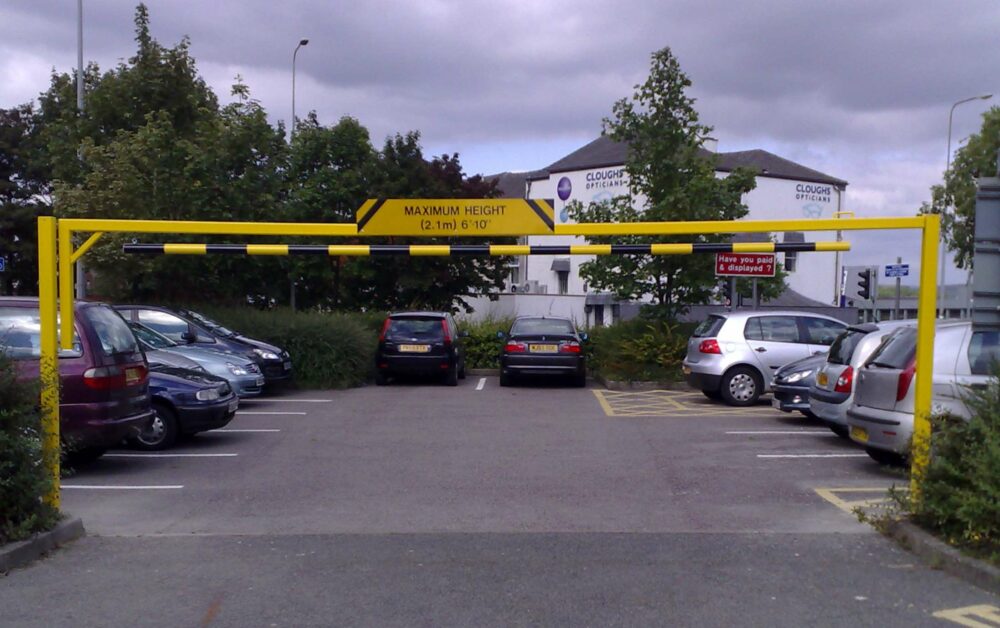
State height and vehicle restrictions regulate most parking garages in large cities like New York. These rules are often tied to structural design and clearance requirements, shaping how facilities can be built and used. Layouts vary from garage to garage; posted limits often indicate where drivers should park. Here is more information about parking facility regulations, height and vehicle limits, and parking space accessibility:
Knowing Parking Facility Regulations
While each parking garage has its own structural design, most must comply with overall height standards. Information about these regulations can vary by garage; some display it on clearance bars above the entry lanes, while others show it digitally, such as on automated gates. Within a single garage, clearance levels sometimes differ between floors. According to NYC regulations, a parking stall must be at least 8 feet, 6 inches wide and 18 feet long.
Even with regulations in place to protect vehicles and reduce delays, drivers should check vertical clearance limits before entering a parking facility. When applying for a parking garage permit, the application may list the garage’s vehicle size restrictions; knowing these in advance helps drivers find a space that fits their needs. Some facilities allow oversized vehicles. Drivers should look for signs in the parking facility that clearly communicate access rules or standing restrictions; paying attention to and adhering to them could be the difference between keeping your car safe and causing an accident.
Navigating Height and Vehicle Restrictions
If someone is exploring a parking facility and drives a vehicle other than a standard car, they should first look for a garage that accommodates their vehicle. While some parking garages accommodate all types, not all facilities do. A car with a roof rack or raised suspension may pose a problem in a low-clearance garage; some oversized models often require wider ramps or larger turning radii to navigate safely and avoid damage. Anyone driving a truck, van, SUV, or motorcycle should be aware of each garage’s limits and restrictions.
Choosing a garage that meets your vehicle’s requirements early can reduce the need to search for parking daily. Some parking management companies offer reservation services to give drivers more predictable access. Certain parking garages designate stalls for larger vehicles, such as vans and oversize vehicles. Before choosing a parking facility for your vehicle, verify:
- Whether the facility allows reservations or permits
- Proximity of oversized spaces to entrances or exits
- Policies for long-term or overnight parking
Understanding Parking Space Availability
While many parking facilities have vehicle size limits, they must also comply with accessible stall sizes; these can determine whether a car or van requiring an accessible space will fit. Under the Americans with Disabilities Act (ADA), specific rules apply to parking stalls, including different space requirements for cars and vans than for traditional spaces. Stalls are to be located near the shortest route to the accessible entrance. While both cars and vans require at least 96 inches of accessible width, vans require at least 98 inches of vertical clearance. Drivers who rely on accessible parking may benefit from verifying clearance and access routes in advance, particularly in older or multi-level garages.
Look for Parking Garages That Fit
Finding a place to park your car in the city often requires advance planning. Understanding the limitations of each parking garage often helps; they should clearly post their regulations. ADA-accessible stalls have specific width and height requirements, so parking garages must balance accessibility with structural limits. If you don’t already have a reserved spot and are looking for one, find a facility that can accommodate your car, van, or truck, and sign up to get a daily or monthly pass.