
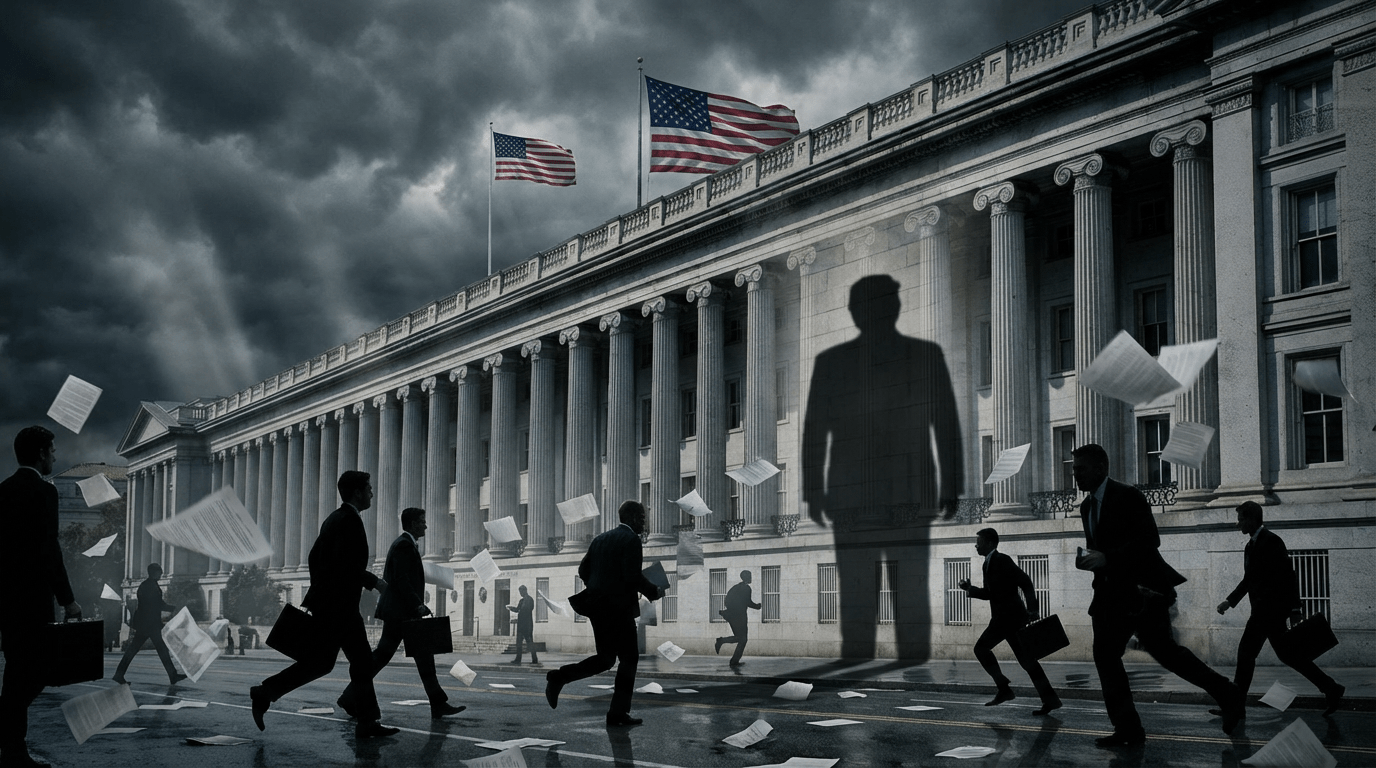
This one hit like a political grenade loud, explosive, and with pieces flying everywhere. When the news first broke that Trump suspends security clearances of Covington attorneys who represented Smith, many people scratched their heads. It sounded like something out of a constitutional thriller, not a real-world government action. But it’s very real, and it’s shaking up how people are thinking about fairness, executive power, and the role of lawyers in all of this.
Let’s unpack it together slowly, clearly, and with a bit of story along the way because there’s more here than just headlines.
The Story: What Actually Happened
It starts with a memo. On February 25, 2025, President Donald Trump signed a directive aimed squarely at a well-known Washington law firm: Covington & Burling LLP. The crux was simple or at least it sounded that way on paper: Trump suspends security clearances of Covington attorneys who represented Smith.
But here’s the twist: the attorneys didn’t represent Trump they represented Jack Smith, the former special counsel who brought two separate federal cases against Trump. These were the cases involving alleged mishandling of classified documents and election interference. Smith has since resigned from his role but remained a controversial figure in political circles.
The memo specifically called for the suspension of any active security clearances held by:
- Peter Koski a partner at Covington & Burling who worked with Smith.
- All members, partners, or employees of the firm who assisted Smith during his time as special counsel.
In essence, it was Trump’s way of taking administrative action tied directly to Covington’s representation of Smith.
Security Clearances? Why Does That Matter?
Most people don’t think deeply about what a security clearance is until one is revoked. At its core, a security clearance is a government-issued authorization that allows individuals access to classified or sensitive information. For attorneys working with government agencies especially in national security, intelligence, or defense-related work these clearances can be crucial. Without them, a lawyer might be blocked from handling certain cases or accessing specific government information, putting them at a disadvantage.
So when Trump suspends security clearances of Covington attorneys who represented Smith, it doesn’t just hit headlines it hits livelihoods. And it sends a message. Whether you cheer it or condemn it, it’s meant to be felt.
Why It’s So Unusual And Controversial
Now let’s be honest: presidents have broad authority when it comes to national security decisions. But this move felt different to a lot of legal scholars and political observers.
Why? Let’s break it down:
- Law firms aren’t government agencies. Covington & Burling is a private law firm. Its lawyers doing private legal work shouldn’t normally get pulled into political crossfires, right? But here we are.
- The attorneys were representing Smith pro bono. That means they were offering free legal help. That’s commendable in most legal circles.
- Smith’s work wasn’t on behalf of the Trump administration. Quite the opposite: he investigated Trump.
- Critics called the move retaliatory. They argued that targeting legal counsel for their choice of client may chill lawyers from representing politically controversial figures. That’s not usually how the American legal system works.
Many critics, ranging from legal experts to bar associations, saw this as an unprecedented weaponization of executive action where legal representation itself becomes grounds for punishment. They pointed out that clearances are typically revoked for security concerns not for political affiliations or client choices.
Still, Trump Had a Rationale From His Perspective
Trump and his allies argued that this wasn’t about politics per se or at least that’s how they framed it. The narrative from the White House was that:
- The memo was aimed at stopping what Trump called the “weaponization” of government systems by law firms.
- The action was part of broader efforts to push back against institutions Trump perceives as hostile or partisan.
- It was also tied to his administration’s broader review of government contracts with Covington.
From that standpoint, the suspension of security clearances and review of contracts wasn’t just personal it was part of a larger policy agenda.
Real-Life Ripples: What This Means on the Ground
Take a moment to picture this: you’re a young attorney at Covington & Burling. You spent years studying, passed the bar, got your clearance, and built a thriving career. Suddenly, it’s pulled not because of something you did at work but because of a legal case your firm took on.
That’s exactly what some attorneys faced after Trump suspends security clearances of Covington attorneys who represented Smith. And that’s the part that made many seasoned lawyers uneasy.
In professions where reputations and access are everything, losing security clearance can feel like being benched even if your day-to-day work doesn’t involve classified information. Some attorneys outside the administration openly questioned whether this kind of action might deter lawyers from taking on politically sensitive work in the future.
And it doesn’t stop there. The memo also asked agencies to take a hard look at all government contracts with Covington & Burling. Even if a firm has no such contracts which Covington reportedly doesn’t have many the symbolism was clear: this was a message. A big one.
Is This Legal? Experts Weigh In
This part gets messy. Courts have generally given presidents broad latitude when it comes to national security and clearance decisions. That’s true. But here’s the sticky point: normally, security clearances are about judgment, trustworthiness, and access to sensitive information.
When those decisions appear tied to political disagreements, you invite questions about constitutional rights and due process.
Some legal experts have raised concerns about potential violations of:
- Due process protections which require fair procedures before someone is deprived of rights or privileges.
- First Amendment considerations if a lawyer’s choice of client leads to punishment, what message does that send about freedom of speech or legal representation?
Others argue that clearly, the executive branch has broad discretion. But this kind of reach could be tricky to defend if it ever gets fully tested in court.
The Bigger Picture: Part of a Pattern?
When we zoom out, this action fits into a broader pattern during Trump’s second term.
Following Trump suspends security clearances of Covington attorneys who represented Smith, he also issued similar actions targeting other major firms like Perkins Coie and Paul Weiss. The gist? Law firms that had represented political opponents or critics of the administration found themselves in the crosshairs.
One expert said it best: If this was truly about law and order, then every major law firm on K Street would be scrutinized because most of them engage in politically charged work.
That quote doesn’t come from a formal report it comes from the buzz of insiders questioning whether there’s a line between national security policy and political retribution.
FAQs About This Whole Situation
Q: Does losing a security clearance mean a lawyer cannot practice law anymore?
A: Not exactly. A lawyer can still practice law, but losing a clearance can limit their ability to work on government-related cases or access certain information.
Q: Can presidents really suspend security clearances like this?
A: They have broad authority over security clearance decisions, but tying it to political representation is unusual and potentially problematic.
Q: Is Covington & Burling still representing Jack Smith?
A: Yes they’re representing Smith in his personal legal matters, separate from government roles.
Q: Have any courts challenged this action?
A: There have been lawsuits around similar executive actions targeting lawyers, but the legal landscape is still unfolding.
Where You Can Read More
If you want the direct text of the memorandum that went out to agencies, the official government document is available here: Presidential Memorandum on Suspension of Security Clearances and Evaluation of Government Contracts check it out on the official government publication site.
And for a broader context on how this fits into efforts against law firms more widely in 2025, the Time magazine overview of targeted firms is a helpful resource: Time.com
Final Thoughts: What Happens Next?
This whole episode where Trump suspends security clearances of Covington attorneys who represented Smith didn’t happen in a vacuum. It’s part of a bigger battle over power, politics, and how the justice system intersects with the government’s highest offices.
Some see this as a bold stand against perceived political enemies. Others see it as a dangerous precedent where legal advocacy becomes a political liability.
Whatever your view, one thing’s clear: we’re watching history unfold, and the ripples are going to be felt in courtrooms, law firms, and maybe even classrooms for years to come.
Stay curious. Stay informed. And don’t be surprised if this story keeps evolving.
 seo provider