
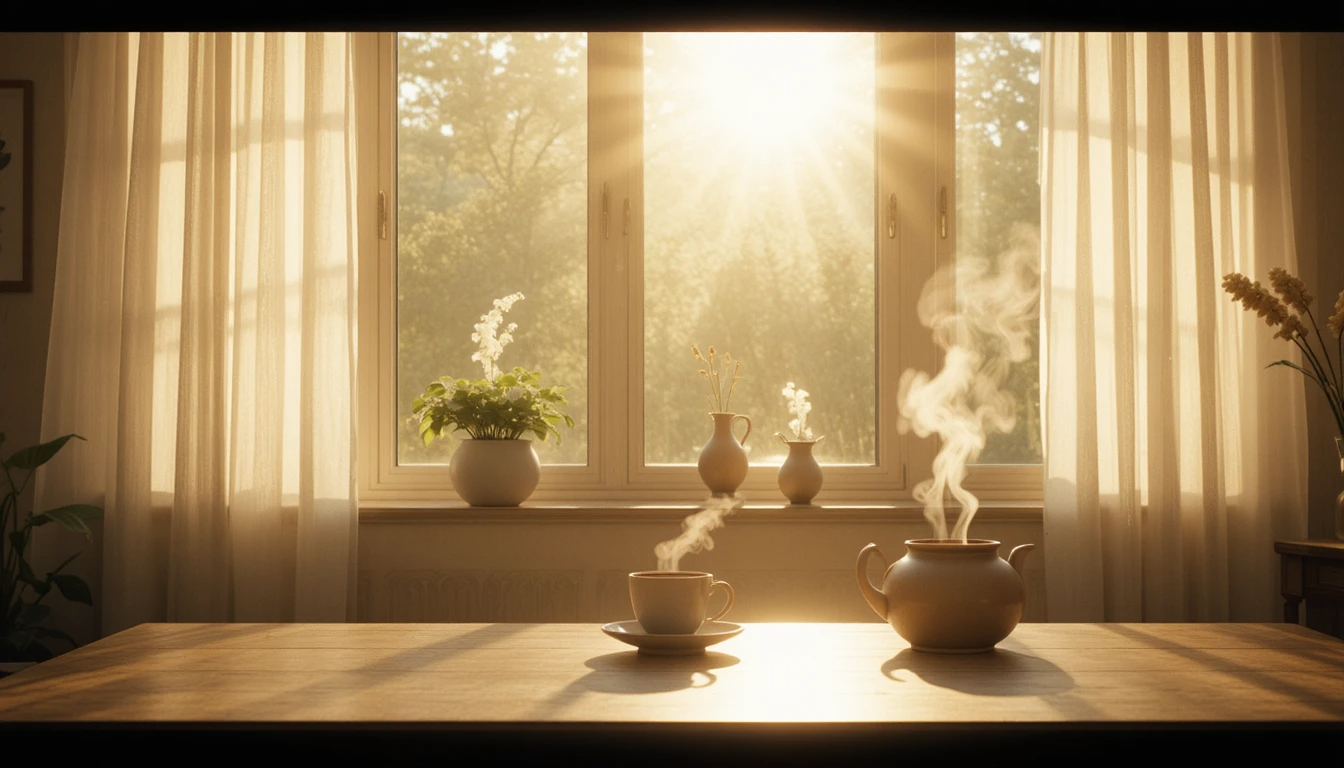
There’s a very specific kind of quiet that only exists in the early morning. No traffic noise yet. No phone buzzing every few seconds. Just that soft, pale glow slowly filling the room. Morning light coming through our kitchen isn’t just about sunlight—it’s a feeling most of us recognize instantly, even if we’ve never put it into words.
You’re half-awake. The kettle hasn’t even started whistling yet. And there it is. Light slipping through the window, touching the countertop, warming the floor tiles, landing gently on whatever yesterday left behind. A cup. A plate. A note.
That moment stays with people. Long after the day gets loud.
This article isn’t about interior design tricks or photography hacks alone. It’s about why this moment matters, why people search for it, write about it, photograph it, and feel strangely emotional when they experience it. And why morning light coming through our kitchen keeps showing up in blogs, journals, poems, Instagram captions, and even therapy conversations.
Let’s slow down and unpack it.
Why Morning Light Feels Different Than Any Other Light
Not all sunlight is equal. Anyone who’s ever woken up early knows this instinctively.
Morning light is softer. Less aggressive. It doesn’t demand attention the way harsh noon light does. It invites you in.
Scientists talk about color temperature, circadian rhythms, and melatonin levels. But even without the science, people feel it. Morning light coming through our kitchen feels hopeful because it arrives before expectations do.
You haven’t failed yet today.
You haven’t rushed yet.
Nothing has gone wrong.
It’s a clean slate kind of light.
Psychologists often mention how early daylight can gently regulate mood and reduce anxiety. That’s why therapists recommend opening curtains first thing in the morning. But kitchens feel special because they’re where life starts moving. Coffee. Breakfast. Familiar routines. The heart of the home, without trying too hard.
When morning light coming through our kitchen hits that space, it blends function with feeling.
A Small Scene Almost Everyone Has Lived
You don’t need a fancy house or a magazine-perfect kitchen to understand this.
It could be:
- A rented apartment with chipped cabinets
- A childhood home with old curtains
- A tiny studio where the kitchen is barely a corner
The scene stays the same.
Light on the counter. Dust particles floating. Maybe someone else is still asleep. Maybe you’re alone.
This is why morning light coming through our kitchen feels universal. It doesn’t belong to one culture, one country, or one lifestyle. It’s a shared human experience.
People often remember it years later:
“I still remember how the sun used to hit the table where my mom made tea.”
That’s not about light. That’s memory attaching itself to light.
The Kitchen as an Emotional Space (Not Just a Functional One)
Design blogs love to talk about kitchens as “the heart of the home.” That phrase gets overused, sure. But there’s truth in it.
Kitchens witness:
- Quiet mornings
- Late-night snacks
- Family arguments
- Silent apologies
- Celebrations that don’t need invitations
When morning light coming through our kitchen shows up, it highlights all of that history without saying a word.
It touches the same table where homework happened. The same sink where someone once cried. The same window where seasons quietly changed.
That’s why writers use kitchen light scenes to ground stories. It immediately tells readers: this is real life.
Why Writers and Poets Keep Using This Phrase
If you’ve read essays, personal blogs, or even song lyrics, you’ve probably noticed similar lines:
- “The morning light filled the kitchen…”
- “Sunlight crept through the kitchen window…”
- “We stood there, quiet, as the kitchen filled with light…”
They’re all cousins of morning light coming through our kitchen.
Writers love it because:
- It creates a visual instantly
- It slows the pace
- It signals intimacy and honesty
It’s not dramatic. And that’s exactly why it works.
In storytelling, small moments feel trustworthy. Big speeches don’t. When a writer describes morning light in a kitchen, readers lower their guard. They lean in.
Morning Light and Memory: Why It Triggers Nostalgia
There’s a reason why old photos taken in morning kitchens hit harder than expected.
Light + routine = memory.
When routines repeat—same window, same angle, same time of day—our brains attach meaning to them. That’s why someone can move houses and still miss the way morning light coming through our kitchen used to feel.
It’s not about the architecture. It’s about who they were during those mornings.
College years. Newly married. Recently divorced. Living alone for the first time. Living with too many people.
The light becomes a timestamp.
Photography and the Obsession With Morning Kitchen Light
Scroll through lifestyle photography and you’ll see it everywhere. Not posed. Not flashy. Just light doing its thing.
Photographers chase morning light coming through our kitchen because:
- It’s forgiving
- It adds warmth without filters
- It feels honest
Natural light photographers often prefer early mornings for kitchens because artificial lights flatten emotion. Morning sunlight adds depth, shadow, and softness.
You’ll often see:
- Steam rising from mugs
- Hands mid-motion
- Slight messiness
That’s intentional. Real life looks better in morning light.
Many photographers source inspiration from platforms like Unsplash, where natural-light kitchen photos dominate lifestyle collections. One quick look at their curated sets shows how powerful simple light can be (you can explore similar visuals on Unsplash’s lifestyle photography collections).
Why People Feel Calmer When the Kitchen Is Lit Naturally
There’s actual research behind this, but it matches common sense too.
Natural morning light:
- Signals safety to the brain
- Helps regulate sleep cycles
- Reduces cortisol spikes
When morning light coming through our kitchen fills the space, people unconsciously slow down. They sip instead of gulp. They sit instead of rushing.
Even on busy days, that first interaction with light sets the tone.
Some wellness experts even suggest starting mornings without screens and letting natural light hit your eyes first. The kitchen becomes the perfect place for that reset.
Interior Design Loves Morning Light (But You Don’t Need a Remodel)
Interior designers often talk about “optimizing light.” Bigger windows. Lighter paint. Open layouts.
But the truth? You don’t need a redesign to appreciate morning light coming through our kitchen.
Sometimes it’s about:
- Pulling back the curtain
- Not turning on overhead lights immediately
- Letting shadows exist
The charm comes from imperfection. A cracked mug looks warmer in morning light. So does an old wooden table.
Design trends come and go. Morning light doesn’t.
Morning Light as a Symbol of New Beginnings
This is where things get quietly emotional.
Morning light has always symbolized:
- Fresh starts
- Forgiveness
- Another chance
When morning light coming through our kitchen appears after a hard night, it feels like the world didn’t give up on you.
People recovering from grief often talk about mornings being the hardest—and also the most healing. That first light doesn’t fix anything. But it shows up anyway.
And sometimes, that’s enough to keep going.
Everyday Moments That Feel Bigger in Morning Light
Certain actions feel different when done in that light:
- Washing dishes
- Making toast
- Sitting in silence
They slow down. They matter more.
That’s why people romanticize morning light coming through our kitchen without meaning to. It turns ordinary moments into something worth remembering.
You don’t post photos of noon light on the sink. But morning light? That’s different.
How This Phrase Became a Search Trend
People aren’t just searching for information when they type morning light coming through our kitchen. They’re searching for a feeling.
Some are writers looking for inspiration.
Some are photographers.
Some are just trying to describe something they felt but couldn’t name.
Search trends often reveal emotional gaps. This phrase fills one.
Using Morning Light Intentionally in Daily Life
You can’t control everything in a day. But you can protect the first few minutes.
Try this:
- Don’t turn on harsh lights immediately
- Sit near the window
- Let morning light coming through our kitchen be the first thing you notice
It sounds small. It is small. But small things shape days.
FAQs About Morning Light Coming Through Our Kitchen
Why does morning light feel more emotional than evening light?
Morning light arrives before mental noise. Your brain is more open, less defensive, and more sensitive to subtle beauty.
Is there a scientific reason kitchens feel special in the morning?
Yes. Kitchens combine routine, nourishment, and natural light—three things linked to emotional regulation.
Why do writers love describing morning kitchen light?
Because it grounds scenes in reality and creates intimacy without forcing emotion.
Can morning light really affect mood?
Absolutely. Studies on daylight exposure show improvements in mood, sleep quality, and stress levels (you can read more on this topic through psychology and light research summaries from trusted academic sources like Psychology Today).
Do you need big windows to experience this?
Not at all. Even a narrow beam of morning light coming through our kitchen can change the atmosphere.
Why This Moment Keeps Mattering
At the end of the day—actually, at the start of it—morning light coming through our kitchen reminds people that life doesn’t need to be loud to be meaningful.
No motivation quotes.
No productivity hacks.
Just light, quietly doing its job.
And somehow, that’s enough to make people pause. To remember. To breathe.
That’s why this phrase won’t disappear. It’s not a trend. It’s a shared human moment.
One that keeps showing up, every morning, whether we notice it or not.
 Blitz
Blitz
 Sky Bloom IT