
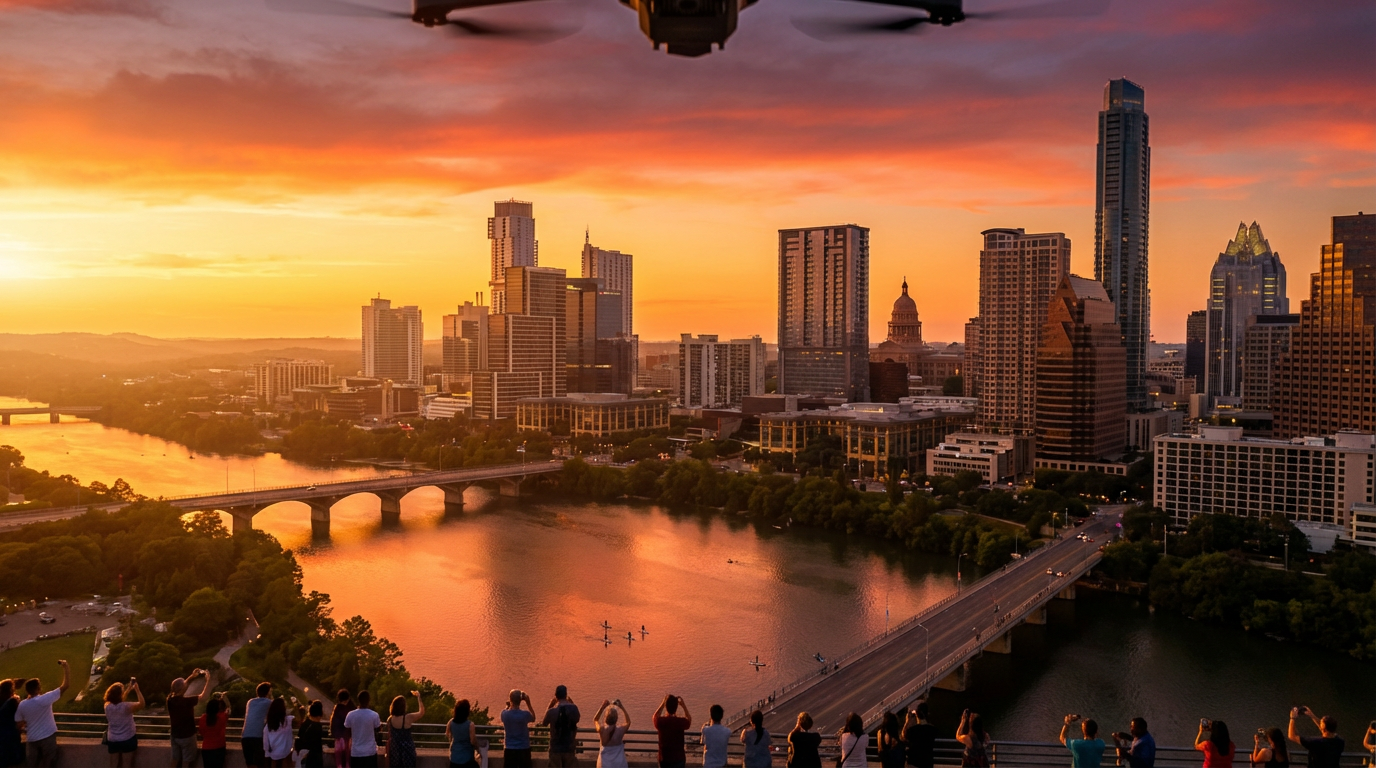
Texas does something to people. The space. The skies. The way landscapes stretch on forever and somehow still feel intimate. From sunburnt deserts to glowing coastlines, historic towns to neon-lit cities Texas looks incredible from the ground. From the air? It’s something else entirely.
That’s why more people are quietly asking a smart question lately: how to start a tourist drone photography business in Texas.
Not as a hobby. Not as a side experiment. As a real business.
And the good news? Texas might be one of the best places in the U.S. to do it if you do it right.
Let’s walk through the whole thing. Not in a stiff, corporate way. Just practical, honest, experience-backed guidance. The kind you’d want from someone sitting across the table, coffee in hand.
Why Texas Is Perfect for a Tourist Drone Photography Business
Before we get into licenses and gear, it helps to understand why this works here.
Texas isn’t one tourist destination. It’s dozens.
You’ve got:
- Austin’s skyline and festivals
- San Antonio’s River Walk
- Big Bend’s raw desert drama
- Galveston’s beaches
- Hill Country vineyards
- Small historic towns that look frozen in time
Tourists already take photos. Constantly. What they can’t do easily is capture cinematic aerial shots especially legally and safely.
That gap? That’s your opportunity.
What “Tourist Drone Photography” Really Means
This isn’t about selling random drone clips online and hoping for the best.
A tourist-focused drone photography business usually means:
- Vacation photo sessions with couples or families
- Cinematic short videos for travelers
- Aerial shots of landmarks (where allowed)
- Experience-based photography, not just images
Think less “stock footage.” More memories.
Someone visits Texas once. They want something special to remember it by.
The First Reality Check (Important One)
Let’s be honest for a second.
This business is not:
- Fly wherever you want
- Charge whatever you want
- Ignore regulations
Texas is friendly to business, but drone rules are real. Ignore them, and the business ends before it starts.
So we start with the unglamorous part. The legal foundation.
FAA Rules You Absolutely Must Follow
If you plan to make money with a drone, you’re operating commercially. That means FAA Part 107.
No exceptions.
Getting Your Part 107 License
You’ll need to:
- Be at least 16
- Pass the FAA Aeronautical Knowledge Test
- Understand airspace, weather, safety, and regulations
The test isn’t impossible, but it’s not common sense either. Many people study for 2–4 weeks.
Once you pass, you’re legally allowed to operate a drone for business in the U.S., including Texas.
You can learn more directly from the FAA.
That license alone separates professionals from hobbyists.
Texas-Specific Drone Considerations
Texas follows federal drone laws, but there are local wrinkles.
Some cities, parks, and landmarks restrict takeoffs and landings even if the airspace is legal.
Examples:
- State parks often prohibit drone launches
- Certain beaches restrict flight during peak hours
- Historic areas may require permits
This matters a lot for tourist work.
You’ll need to:
- Research locations in advance
- Build a list of drone-friendly spots
- Communicate clearly with clients about what’s possible
Being knowledgeable builds trust fast.
Choosing the Right Drone (Not the Most Expensive One)
You don’t need a $10,000 rig to start.
You do need:
- Stable flight
- Excellent camera quality
- Strong obstacle avoidance
- Reliable battery life
Popular choices among professionals:
- DJI Air series
- DJI Mini series (with limitations)
- DJI Mavic series
The key is reliability. Tourists won’t wait while you troubleshoot signal issues.
Also invest in:
- Extra batteries
- ND filters
- High-speed memory cards
Small details matter when you’re charging real money.
Learning to Fly Like a Professional (Not a YouTuber)
Tourist drone photography isn’t about crazy maneuvers.
It’s about:
- Smooth movement
- Controlled framing
- Slow reveals
- Safe distances
Practice in open areas. Fly at different times of day. Learn how light changes landscapes.
Golden hour in Texas? That’s your best friend.
Finding Your First Tourist Clients
This part scares people. It shouldn’t.
Tourists don’t search like businesses do. They search emotionally.
Where Tourists Actually Look
- Google Maps
- Airbnb Experiences
- Viator / GetYourGuide
- Local tourism websites
Instead of advertising “drone services,” frame it as:
- “Vacation Drone Photos in Austin”
- “Couples Drone Shoot in Big Bend”
- “Texas Travel Drone Video Experience”
Language matters.
Partnering With Local Businesses (Game Changer)
This is where growth happens faster.
Think:
- Hotels
- Resorts
- Airbnb hosts
- Tour guides
- Wedding planners
Offer them:
- Referral commissions
- Custom content for their listings
- Exclusive packages
You get warm leads. They get added value.
Everyone wins.
Pricing Your Services Without Underselling Yourself
This is tricky at first.
Tourists will pay more than locals if the experience feels premium.
Common pricing structures:
- $150–$300 for a short session
- $300–$600 for video + photos
- Add-ons for edited reels or prints
Don’t race to the bottom. Cheap pricing attracts difficult clients.
What Makes a Tourist Choose You (Not Another Drone Pilot)
Here’s the secret.
They don’t care about your drone specs.
They care about:
- How easy you are to book
- How safe you sound
- How good the experience feels
- How the final result makes them feel
Your website should show people, not just landscapes.
Smiles. Couples. Families. Motion.
Building a Simple Website That Converts
You don’t need fancy.
You need:
- Clear service explanation
- Photos and videos front and center
- Easy booking or inquiry form
- Location-specific pages
This also helps you rank for searches like how to start a tourist drone photography business in Texas and related local queries over time.
Insurance (Don’t Skip This One)
Drone insurance isn’t optional if you’re serious.
You’ll want:
- Liability coverage
- Equipment coverage
Some locations and partners won’t work with you without it.
Peace of mind is worth the cost.
Editing: Where the Magic Actually Happens
Raw footage is just potential.
Tourists want:
- Warm colors
- Cinematic pacing
- Emotional flow
Learn basic color grading. Keep edits clean. Don’t overdo transitions.
Sometimes less feels more expensive.
Seasonality in Texas (Plan Around It)
Texas tourism changes with seasons.
- Spring and fall are gold
- Summer works early mornings and evenings
- Winter varies by region
Plan promotions accordingly.
Scaling the Business Over Time
Once you’re booked consistently, options open up:
- Add ground photography
- Sell prints
- Offer social media reels
- Hire another pilot
Growth doesn’t have to be rushed.
Common Mistakes to Avoid Early On
Let’s save you some pain:
- Flying where you shouldn’t
- Overpromising results
- Ignoring weather conditions
- Pricing too low
- Skipping contracts
Professionalism protects you.
FAQs
Is it legal to run a tourist drone photography business in Texas?
Yes, with an FAA Part 107 license and compliance with local rules.
How much can you make doing this in Texas?
It varies, but many pilots earn $3,000–$7,000 per month seasonally.
Do I need permission to fly over people?
Usually, yes. Rules depend on drone category and situation.
Is Texas competitive for drone businesses?
It’s competitive but demand is high and growing.
How long before you get your first client?
Some get booked within weeks if marketing is done right.
The Honest Ending
Starting a tourist drone photography business isn’t about drones.
It’s about storytelling. Trust. Timing. And showing people Texas from a perspective they’ll never forget.
If you’ve been wondering how to start a tourist drone photography business in Texas, the answer isn’t complicated but it does require intention.
Learn the rules. Respect the craft. Build real experiences.
The sky’s already there. You just need to use it well.
 Blitz
Blitz
 seo provider